26 May 2026
- 0 Comments
The wait is over. Saudi Supreme Court has officially confirmed the sighting of the moon for Dhu al-Hijjah, locking in the dates for one of Islam’s most significant festivals. For millions of Muslims across West and South Asia, this means Eid al-Adha 2026 will be celebrated on May 27, 2026.
The announcement came via a televised bulletin by GTV News, which cited the judicial ruling as definitive. The presenter, speaking in Hindi and Urdu, clarified that the first day of the holy month falls on May 18, setting the stage for the entire lunar calendar sequence.
Here’s the thing: while the Gregorian calendar gives us fixed dates, the Islamic lunar calendar relies on actual moon sightings. This creates a ripple effect every year, with countries waiting for the Kingdom of Saudi Arabia to lead the way. This year, the timeline is clear, but the logistics are massive.
The Official Timeline for 2026
With the moon sighted, the religious calendar is now set in stone for those following the Saudi declaration. The key dates you need to mark are:
- 1 Dhu al-Hijjah: May 18, 2026 (Start of the holy month)
- Waqf-e-Arafah: May 26, 2026 (The Day of Standing at Arafat)
- Eid al-Adha: May 27, 2026 (Main festival day)
Waqf-e-Arafah is particularly crucial. It’s the climax of the Hajj pilgrimage, where millions of pilgrims gather on the plains of Arafat near Mecca. The fact that it falls on a Wednesday (May 26) will influence travel plans and prayer schedules globally.
But wait—why does the date vary? In regions like East Asia, Oceania, and parts of Africa, Eid might begin a day later, on May 28. This happens because local moon sighting committees sometimes see the moon later due to time zone differences or atmospheric conditions. However, for South Asia and West Asia, May 27 is the anchor date.
Why This Matters Beyond Religion
This isn't just about prayers and feasts. The confirmation triggers a complex web of economic and social adjustments. In Saudi Arabia, public sector holidays don't just cover the four days of Eid; they span from the 5th to the 15th of Dhu al-Hijjah. That’s an 11-day window of reduced government operations.
For businesses, especially in the food and logistics sectors, this is peak season. The tradition of sacrificing animals—usually cows, sheep, or goats—means a surge in demand for meat distribution. According to traditional practice, the meat is divided into three equal parts: one for the family, one for friends and relatives, and one for the poor and needy.
Charity organizations are already ramping up preparations. With the date confirmed, NGOs can finalize their supply chains to ensure that the "third share" reaches vulnerable communities efficiently. It’s a logistical marvel that happens every year, involving thousands of tons of meat moving across borders.
Global Observance and Regional Differences
While Saudi Arabia sets the tone, the world doesn't always move in perfect sync. Data from global holiday trackers indicates that while West Asia and South Asia observe Eid from May 27 to 30, other regions may shift by a day.
In Europe and the Americas, communities often follow the Saudi announcement, but local imams may issue separate guidance based on local sightings. This fragmentation can sometimes cause confusion for travelers or multinational teams. If you're planning a trip during this period, check your specific destination's official holiday schedule rather than assuming a global standard.
The festival, known as ʿĪd al-ʾAḍḥā or the "Feast of Sacrifice," commemorates Prophet Abraham’s (Ibrahim) willingness to sacrifice his son in obedience to God. It’s a story of faith and submission that resonates deeply with believers worldwide. The emotional weight of this narrative adds to the solemnity of the Waqf-e-Arafah day, followed by the joyous release of Eid morning.
What To Expect During the Tashreeq Days
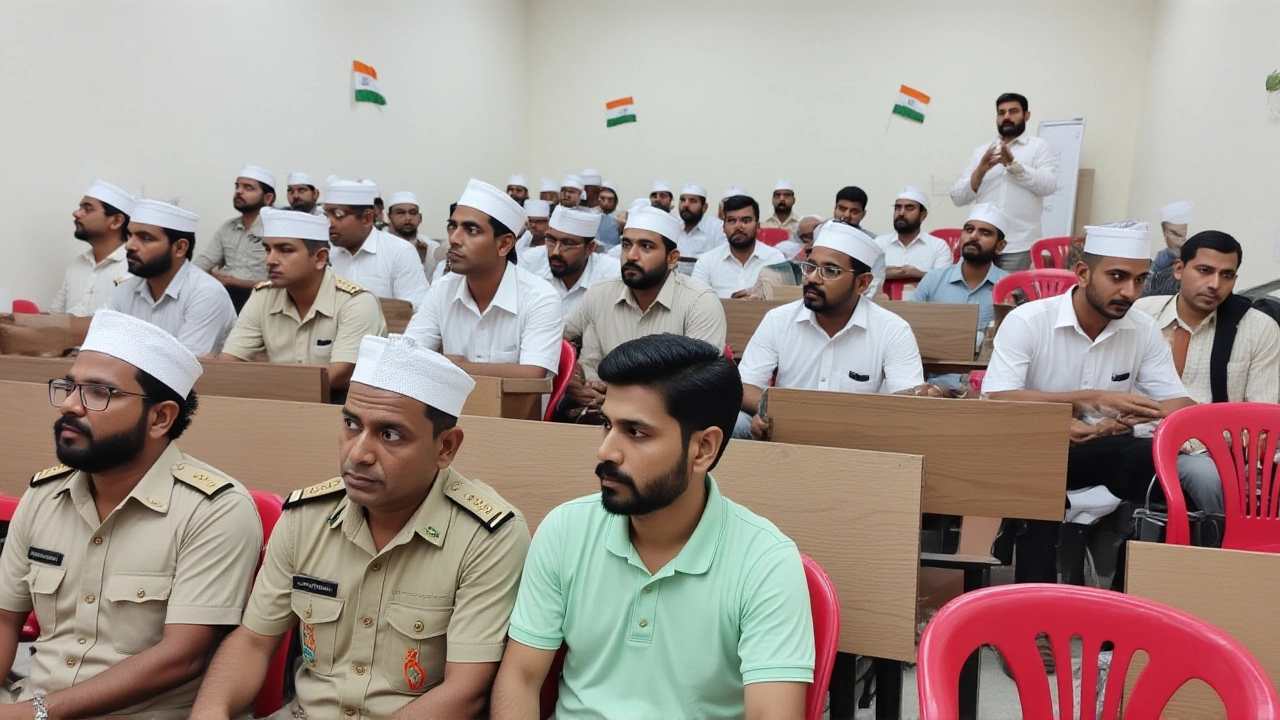
Eid al-Adha isn't a one-day event. It spans four days, known as the Tashreeq days (10th–13th of Dhu al-Hijjah). During this period, the atmosphere shifts from intense spiritual focus to communal celebration.
You’ll see streets filled with families exchanging gifts, often called "Eidi," and sharing large festive meals. Mosques will host special prayers early in the morning. For many, it’s the only time of year when distant relatives reconnect, reinforcing social bonds that might otherwise fray in the busy modern world.
The twist is that while the religious observance ends after four days, the cultural impact lingers. Markets remain vibrant, and the spirit of charity continues well beyond the final prayer. It’s a reminder of community resilience and shared values.
Historical Context: How Dates Are Decided
The reliance on moon sightings dates back centuries. Unlike the solar-based Gregorian calendar, the Islamic calendar is purely lunar, meaning each month is about 11 days shorter than its solar counterpart. This causes Islamic festivals to drift backward through the seasons over time.
In the past, disagreements over moon sightings could lead to political tensions between nations. Today, technology helps, but the traditional method remains paramount for religious authenticity. The Saudi Supreme Court’s role is pivotal because Mecca is the focal point of the Hajj. When they declare the month, most of the Muslim world follows suit to maintain unity during the pilgrimage.
Interestingly, some countries have moved toward astronomical calculations to predict dates months in advance. However, Saudi Arabia maintains the visual sighting requirement, preserving the element of divine timing in their traditions.
Frequently Asked Questions
When exactly is Eid al-Adha in 2026?
In Saudi Arabia, West Asia, and South Asia, Eid al-Adha will be observed on **May 27, 2026**. The festival lasts for four days, concluding on May 30. Other regions like East Asia or Oceania may celebrate on May 28 depending on local moon sightings.
What is Waqf-e-Arafah and why is it important?
Waqf-e-Arafah, falling on **May 26, 2026**, is the day pilgrims stand on the plain of Arafat during the Hajj. It is considered the pinnacle of the pilgrimage. For non-pilgrims, it is a recommended day for fasting and extra prayers, serving as a prelude to the Eid celebrations.
How long is the public holiday in Saudi Arabia?
Public sector employees in Saudi Arabia typically receive an extended break. Holidays usually run from the 5th to the 15th of Dhu al-Hijjah, totaling **11 days**. This allows time for both the Hajj rituals and the broader Eid festivities.
Why do some countries celebrate Eid on different days?
Dates depend on the physical sighting of the moon, which varies by location due to time zones and weather. While Saudi Arabia announces its sighting, countries farther east (like Indonesia or Australia) may not see the moon until the next evening, leading to a one-day delay in their celebrations.
What are the main traditions associated with Eid al-Adha?
Key traditions include performing special morning prayers, sacrificing an animal (Qurbani), and distributing the meat equally among family, friends, and the poor. It is also a time for wearing new clothes, giving gifts (Eidi), and visiting relatives to strengthen community ties.