26 May 2026
- 0 Comments
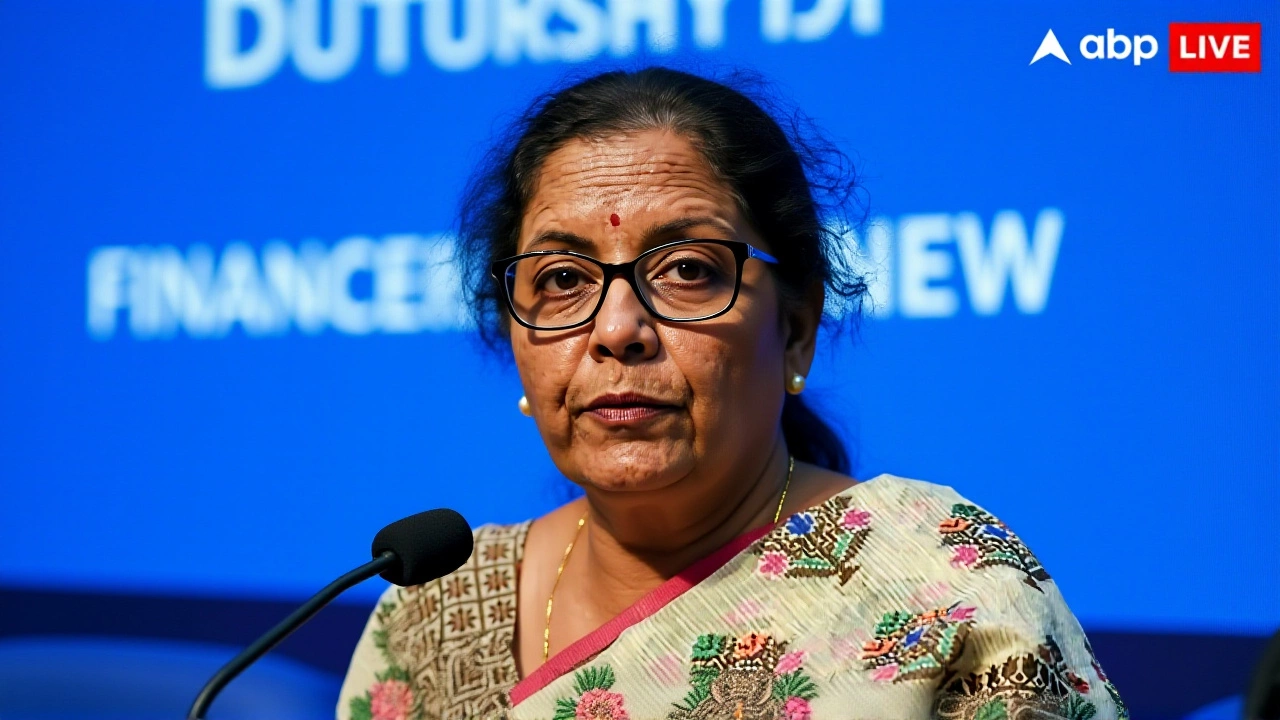
When Nirmala Sitaraman, Finance Minister of India, addressed the nation’s rising fuel costs this week, she didn’t just offer sympathy. She offered a strategy. With petrol and diesel prices climbing for the third time in ten days, the Finance Minister urged citizens to focus on what she termed the "3F" framework, urging them to look past the noise of negative narratives spreading across social media.
The timing is precarious. New Delhi is watching the skies over the Middle East closely. Tensions in Western Asia have disrupted global crude oil supply chains, sending shockwaves through local markets. For the average Indian commuter, the math is simple and painful: fuel has become approximately ₹5 per liter more expensive since early May 2026.
The Cost of Global Tension
Here’s the thing about global geopolitics—it always hits your wallet first. While diplomats negotiate in Geneva or Washington, you’re standing at the pump wondering why the price tag jumped again. In the last ten days alone, fuel prices in India have hiked three times. That’s not a trend; that’s a pattern driven by external forces beyond New Delhi’s immediate control.
The root cause? Disruptions in crude oil supplies globally. The Middle East CrisisWestern Asia has created a bottleneck. When supply tightens, prices spike. It’s basic economics, but it feels personal when your monthly transport budget balloons overnight. Reports indicate that the recent hikes are directly linked to these regional instabilities, forcing oil marketing companies to adjust retail prices frequently.
Decoding the '3F' Message
Sitaraman’s comments came shortly after an appeal from Narendra Modi, Prime Minister of India. The Prime Minister had asked citizens to remain calm and avoid panic-buying or succumbing to fear-mongering. Sitaraman expanded on this, introducing her "3F" focus area. While the exact acronym wasn’t fully detailed in every broadcast, the context suggests a call for resilience against Fear, Falsehoods, and Frustration.
But wait—why focus on psychology when the problem is economic? Because perception shapes behavior. If consumers panic, they hoard, which exacerbates shortages. By addressing the narrative, the government hopes to stabilize demand even as supply constraints bite. It’s a delicate balancing act. Critics argue that telling people to "focus positively" doesn’t lower the price at the pump, but supporters say it prevents market chaos.

A History of Tax Relief
It’s worth remembering that the government has tools to cushion these blows. Just months ago, amid fears of an escalation between the US and Iran, the central government slashed excise duties. On a specific Thursday order, the extra product duty on petrol was cut from ₹13 per liter to ₹3 per liter. Diesel saw an even steeper drop, falling from ₹10 per liter to zero.
That was a ₹10 per liter relief measure. It worked then. But now, with crude prices surging due to current tensions, those buffers are being tested. The question isn’t whether the government can cut taxes again—it’s whether the revenue loss would cripple other essential services. This tension between fiscal responsibility and public welfare is where the real policy debate lies.
Impact on the Common Citizen
Let’s talk numbers. A ₹5 increase per liter might sound small until you do the math. For a daily commuter driving 40 kilometers, that’s an extra ₹200–₹300 a month. For logistics companies, it’s millions. Transport fares are already creeping up. Vegetable prices at the local mandi are ticking upward because trucks cost more to run. The ripple effect is real, and it’s happening right now.
Experts suggest that unless the Middle East situation stabilizes, we could see further volatility. Oil markets are notoriously sensitive to headlines. A single missile strike or diplomatic breakthrough can swing Brent Crude by $2–$3. India, importing over 85% of its crude, absorbs every cent of that fluctuation.

What Comes Next?
The next few weeks will be critical. Watch for two things: any diplomatic de-escalation in the Middle East, and potential announcements on strategic petroleum reserves. India holds significant reserves, but releasing them is a temporary fix, not a long-term solution. Meanwhile, Sitaraman’s "3F" message will likely dominate political discourse, with opposition parties questioning if "focus" pays the bills.
For now, the advice remains practical. Plan your trips. Carpool if possible. Keep an eye on alternative energy options. The government is navigating a storm it didn’t create, and while its solutions may feel abstract, the impact on your pocketbook is undeniably concrete.
Frequently Asked Questions
Why have fuel prices increased so rapidly in the last 10 days?
Fuel prices have risen three times in ten days primarily due to disruptions in global crude oil supplies caused by escalating tensions in the Middle East. As international crude prices surge, Indian oil marketing companies are forced to adjust retail prices to maintain margins, leading to frequent hikes.
What does Nirmala Sitaraman mean by the '3F' focus?
While not explicitly defined in all reports, the '3F' framework referenced by Finance Minister Nirmala Sitaraman appears to urge citizens to counteract negative narratives. It likely stands for resisting Fear, ignoring Falsehoods, and managing Frustration regarding price hikes, aiming to prevent panic buying and market instability.
Did the government reduce taxes on fuel recently?
Yes, earlier in 2026, the government reduced excise duties significantly. Petrol’s extra product duty was cut from ₹13 to ₹3 per liter, and diesel’s from ₹10 to ₹0 per liter. However, recent crude price spikes have offset some of these savings, resulting in a net increase of roughly ₹5 per liter compared to early May.
How does the Middle East crisis affect India specifically?
India imports over 85% of its crude oil, much of it from the Middle East. Any geopolitical instability in Western Asia disrupts supply chains and drives up global benchmark prices (like Brent Crude). Since India cannot produce enough domestically, it must pay higher global rates, directly increasing domestic fuel costs.
Will fuel prices continue to rise?
Future prices depend heavily on the resolution of conflicts in the Middle East and global crude trends. If tensions persist, prices may remain volatile or increase further. The government may consider additional tax cuts, but this depends on fiscal space and the severity of the supply disruption.